Best Drive-Thru Only Restaurants in America 2026 (No Dine-In Needed)
In 2026, Americans are busier than ever, and the drive-thru has become the ultimate convenience for quick, delicious meals without leaving your car. A lot of restaurants have quietly stopped building dining rooms altogether, betting everything on the window you pull up to instead. No tables, no booths, sometimes not even a front door for walking in.
From classic burgers to specialty coffee with thousands of custom options, these chains prove you don’t need indoor seating for an outstanding experience. Here’s a real look at who’s leading this no-dining-in shift, why it works, and what it means for your next coffee or burger run.
What Does “Drive-Thru Only” Actually Mean?
A drive-thru only restaurant is exactly what it sounds like: a location with no dining room, no tables, and often no walk-up counter either. You order from your car, you pay from your car, and you eat wherever you decide to park next. Some locations keep a small walk-up window for pedestrians, but the seating area most people grew up with is gone entirely.
This is different from a restaurant that simply has a drive-thru lane alongside its dining room, which has been standard since the 1970s. The new wave of concepts is built drive-thru first, with the kitchen, building footprint, and even the menu designed around moving cars through as quickly as possible rather than seating guests.
Why Restaurants Are Ditching Dining Rooms
A few forces are pushing this trend at the same time, and none seem to be slowing down.
Drive-thru already does most of the work. At many quick-service chains, drive-thru and takeout windows account for the majority of total sales. Drive-thru demand had been steadily increasing at fast-food restaurants long before the pandemic, with many chains already generating more than two-thirds of their business through that window. Once that number climbs high enough, a dining room starts to look like expensive square footage that barely gets used.
Real estate and labor costs keep rising. Building costs for new locations haven’t been coming down, which puts pressure on brands to allocate more space to takeout-focused formats rather than dine-in seating. A smaller building with no dining room is cheaper to build, staff, and open in new markets.
Customers have voted with their cars. Order-ahead apps, curbside pickup, and third-party delivery have trained people to expect their food without ever stepping inside. Industry data shows digital orders through mobile apps, drive-thrus, and websites now account for the majority of quick-service restaurant transactions, a share that keeps climbing.
Smaller dining rooms mean less cleaning, fewer staff, and faster turnaround. Restaurants without dining rooms don’t need staff to clean tables, freeing up labor to focus on the kitchen and speeding up overall service.
Put all of that together, and the drive-thru only format isn’t really a gamble anymore. It’s how a growing number of brands plan to grow for the rest of the decade.
Top Drive-Thru Only & Drive-Thru Focused Restaurants in 2026
Whataburger
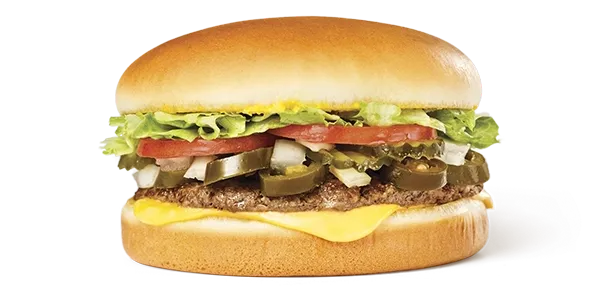
Whataburger has spent decades perfecting drive-thru speed for the classic burger-and-fries order, and that focus hasn’t slowed down as the chain has grown. Many newer Whataburger locations are built with the drive-thru as the centerpiece of the design, and city planning boards across the country continue to review proposals for stand-alone, drive-thru-focused Whataburger sites rather than the larger sit-down format the brand is traditionally known for. If you’re craving a Whataburger menu favorite like the classic burger, a Honey Butter Chicken Biscuit, or a hand-spun shake, there’s a good chance your nearest location can get it to your window without you ever leaving the car.
Taco Bell Defy
Taco Bell’s Defy concept features four drive-thru lanes, food-delivery lifts that eliminate direct contact between customers and employees, and interactive audio-visual technology for faster service. The two-story format sends orders to a kitchen on the upper level, which delivers food down to waiting cars through a contactless lift system, with no indoor seating at all. It’s one of the most dramatic examples of what a fast-food restaurant looks like when it’s designed around cars instead of customers walking through a front door.
Dutch Bros
Dutch Bros has built one of the fastest-growing coffee chains in the country without ever leaning on a traditional dining room. The company rocketed to become the third-largest coffee chain in the U.S. with a model built entirely around drive-thru service and no seating. Its bright, walk-up-style huts are designed for speed, customization, and quick interaction at the window rather than for sitting and lingering.
7 Brew
7 Brew has taken the same idea and pushed it even further into “everything happens at the window” territory. Every 7 Brew location operates as a drive-thru-only stand, and the brand has built its entire identity around serving customers a fully customized drink in just a few minutes, no matter how complicated the order. With more than 20,000 possible drink combinations on the 7 Brew menu and double drive-thru lanes at most stands, it’s become one of the go-to names for anyone comparing today’s fastest-growing drive-thru coffee concepts.
Because almost everything on the menu can be customized, calories swing widely from drink to drink. A black cold brew or unsweetened tea can have fewer than 20 calories, while a medium breve-based signature drink like the Blondie averages closer to 400 calories with regular milk and syrup. Order a small with sugar-free syrup and a lighter milk, and that same drink can drop to around 100-150 calories without losing much flavor. If you’d rather not guess, a quick 7 Brew calorie calculator can run the numbers for your exact size, milk, and syrup combo before you even pull up to the window.
Scooters Coffee
Scooters Coffee is also a drive-thru-only concept, ranking among the largest coffee chains in the country despite never building a single dining room. The brand has leaned into the same drive-thru-first growth playbook as its competitors, expanding quickly into new states by keeping its building footprint small and limiting ordering to the drive-thru lane.
Caribou Coffee (“Cabin” Format)
Minneapolis-based Caribou Coffee is focusing all its expansion on drive-thru-only locations through its “Cabin” prototype, a compact format that eliminates the dining room in favor of a faster, smaller building that’s quicker and cheaper to open in new markets.
Tim Hortons
Tim Hortons has rolled out drive-thru-only prototypes built around speed rather than seating. The chain revealed a 900-square-foot, drive-thru-only prototype, in addition to its tandem drive-thru lanes, which feature two sets of digital menu boards and intercoms in a single lane, allowing the chain to take orders from two cars at once.
Jimmy John’s
Jimmy John’s opened its first drive-thru-only location in Florida, proving the model isn’t limited to burgers and coffee. Sandwich chains are following the same logic: if most orders are already getting picked up in a car, why build a dining room at all?
Drive-Thru Only vs. Traditional Drive-Thru: Quick Comparison
| Feature | Traditional Drive-Thru | Drive-Thru Only |
| Dining room | Yes, full seating available | None, or very limited walk-up only |
| Building footprint | Large | Small, often under 1,000 sq ft |
| Primary order channel | Counter, drive-thru, or app | Drive-thru and app only |
| Staffing focus | Split between the kitchen, counter, and dining room | Concentrated on the kitchen and the drive-thru window |
| Build cost | Higher | Lower |
| Typical brands | Most legacy fast-food chains | Newer coffee stands, select burger and sandwich prototypes |
| Best for | Families, dine-in groups | Solo trips, quick stops, commuters |
Pros and Cons of the Drive-Thru Only Model
Pros for customers
- Faster average order times, especially during off-peak hours
- Less waiting behind large dine-in orders
- Easier to grab food without leaving the car on a rainy day or a tight schedule
Cons for customers
- No option to sit down and eat on-site
- It can get packed during peak hours if a location only has one or two lanes.
- Less convenient for large group orders or families wanting to eat together right away
Pros for restaurant owners
- Lower build and lease costs with a smaller footprint
- Reduced staffing needs since no one is busing or cleaning a dining room
- Faster to open in new markets, which speeds up expansion
Cons for restaurant owners
- Entirely dependent on car traffic and parking lot design
- Limited ability to serve walk-up or pedestrian customers
- Harder to build the kind of in-store brand experience a dining room can offer
Frequently Asked Questions
What is a drive-thru-only restaurant?
A drive-thru-only restaurant is one with no dining room or indoor seating. Customers order, pay, and receive their food entirely through the drive-thru lane, sometimes with a small walk-up window for pedestrians.
Why are so many restaurants removing dining rooms?
Rising real estate and labor costs, combined with a steady shift toward takeout and drive-thru orders, have made smaller, drive-thru-focused buildings more cost-effective to build and staff than full dining rooms.
Is Whataburger going to be fully drive-thru only?
Not company-wide. Whataburger still operates many traditional locations with dining rooms, but newer drive-thru-focused designs are increasingly common as the brand expands into tighter urban and suburban lots.
Is 7 Brew a coffee shop or a drive-thru stand?
7 Brew operates exclusively as a drive-thru coffee stand. There’s no indoor seating or walk-up counter at any location, and every drink is handed directly to customers at their car window.
Do drive-thru only restaurants take longer during busy hours?
It depends on lane capacity. Locations with double drive-thru lanes, such as many 7 Brew and Tim Hortons stands, tend to handle rush-hour traffic more quickly than single-lane setups.
Can I walk up and order at a drive-thru-only restaurant?
Some locations offer a small walk-up or pedestrian window, but many drive-thru-only concepts, including 7 Brew, are built exclusively for car traffic with no walk-up option at all.
Are drive-thru-only restaurants cheaper to build than traditional locations?
Yes, smaller buildings with no dining room generally cost less to construct and lease, which is part of why so many newer coffee and fast-food concepts are choosing this format for expansion.
Which coffee chains are fully drive-thru only? 7 Brew, Dutch Bros, and Scooters Coffee all operate as drive-thru-only concepts, while Caribou Coffee is expanding its “Cabin” prototype with the same no-seating approach.
Do drive-thru only restaurants offer delivery?
Many do, either through their own app or through third-party delivery services. The drive-thru lane and delivery orders are typically handled separately, so in-car customers aren’t slowed down.
Is the drive-thru only trend here to stay?
All signs point to yes. With rising costs and customers increasingly choosing takeout and app orders over dining in, more brands are expected to continue building smaller, drive-thru-first locations rather than full-size dining rooms.
Final Thoughts
The drive-thru only model isn’t a passing trend — it’s a response to how people actually want to eat in 2026. Faster orders, lower overhead, and a customer base that’s already living life from the driver’s seat have made this the obvious next step for many brands, from burger chains like Whataburger to coffee-only concepts like 7 Brew.
Whether you’re grabbing a quick burger between errands or pulling up for a custom coffee on the way to work, chances are your next stop won’t have a single chair in sight, and most of us probably won’t even notice.